Legislators convened Tuesday for two oversight committees focused on health policy and spending in North Carolina. The Joint Legislative Oversight Committee on Health and Human Services met Tuesday morning for a hearing on rural healthcare access, and in the afternoon the Joint Legislative Oversight Committee on Medicaid held a hearing on the state’s spending on Medicaid.
Medicaid spending has been top of mind for legislators this biennium. Last month’s Joint Legislative Oversight Committee on Medicaid included a discussion of the rapid increase in spending on autism therapies. According to NC DHHS’ presentation in March, Medicaid spending on Applied Behavioral Analysis (ABA) increased by 300% nationally from 2019 to 2024. In North Carolina from 2022 to 2025 that number grew by 347%.
Rep. Larry Potts, one of the chairs of the Medicaid Oversight Committee and Senior Chairman of House Health Committee, expressed concern about the duration of the telehealth appointments being provided to children receiving ABA services. According to WRAL’s report at the time, Rep. Potts’ asked “We are talking about children with autism. How do you do telehealth for 1 hour and 30 minutes — and keep 1-to-5 year olds’ attention — and have any kind of hope that anybody understands what’s being said?”
Earlier this week State Auditor Dave Boliek released its 2025 Statewide Single Audit, “an annual report that examined $28 billion in federal grants spent by North Carolina entities for Fiscal Year 2025.”
According to State Auditor Boliek’s report, a total of 19 findings were made across the 13 entities reviewed, with DHHS responsible for 8 of the 19.
In the accompanying press release, State Auditor Boliek said “It’s our duty at the state level to make sure any funds directed to North Carolina are used properly and responsibly. While the single audit provides a high-level financial overview, the work done by our team and the findings and questioned costs will help steer us toward deeper dives into Medicaid and other areas of government spending.”
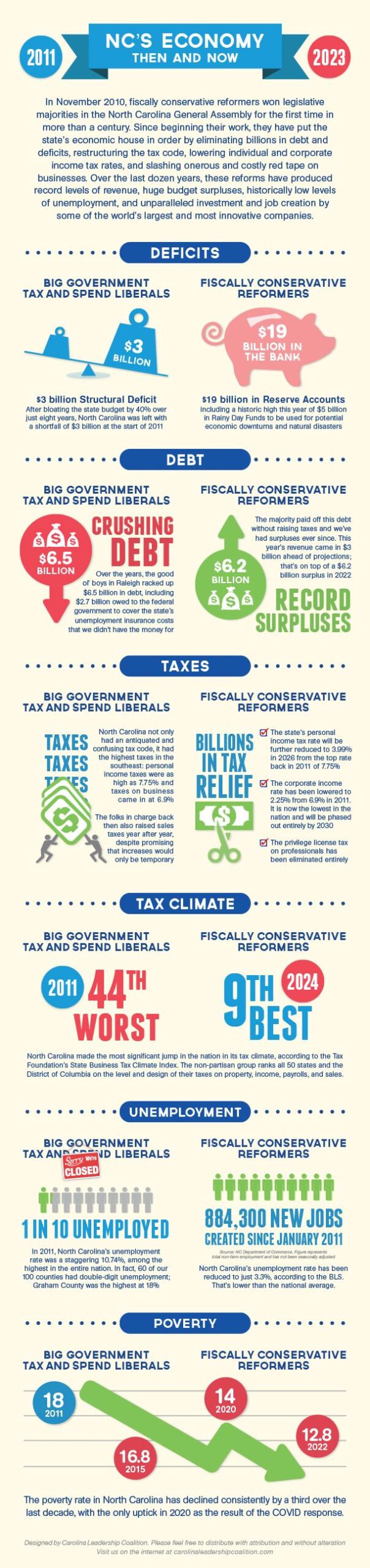
A hallmark of conservative reform in North Carolina since 2011 has been a relentless effort to control spending. Conservative legislators focus on reining in spending and cutting back on waste on Medicaid spending will help keep North Carolina’s economy on solid footing.